
Lyme disease is a complex condition that can affect multiple systems in the body. While some individuals experience early, recognizable symptoms, others may go months or even years without a clear diagnosis.
Understanding the wide range of symptoms associated with Lyme disease is an important step toward identifying potential concerns and seeking appropriate care.
What Is Lyme Disease?
Lyme disease is an infection caused by numerous pathogens transmitted by infected ticks, mosquitoes, and flea bites. Once in the body, it can affect the immune system, nervous system, joints, heart, and overall energy levels.
Symptoms can vary significantly from person to person. Some individuals experience mild, short-term symptoms, while others develop more persistent or complex health challenges.
Because of this variability, Lyme disease is often difficult to identify early and may present differently in each individual.
Why Lyme Disease Is Often Misdiagnosed
One of the most challenging aspects of Lyme disease is that its symptoms can mimic many other conditions.
Individuals may initially be told they are experiencing:
-
Fibromyalgia
-
Chronic fatigue
-
Stress-related conditions
-
Autoimmune disorders
-
Neurological issues
-
Psychiatric Issues
In many cases, patients spend months or years searching for answers before Lyme disease is considered as a possible factor.
This delay can allow symptoms to evolve and become more complex and severe over time.
”After being disappointed by functional and ‘Lyme-literate’ western medicine, I dared to explore something different. LymeStop’s approach resonated deeply with our family.
Bernadette ClavierAdvisory Board Member, Bay Area Lyme Foundation
This type of experience is not uncommon among individuals navigating persistent or unclear symptoms, especially when answers are difficult to find.

The “bulls-eye rash”, though a common sign, does not always appear with Lyme Disease.
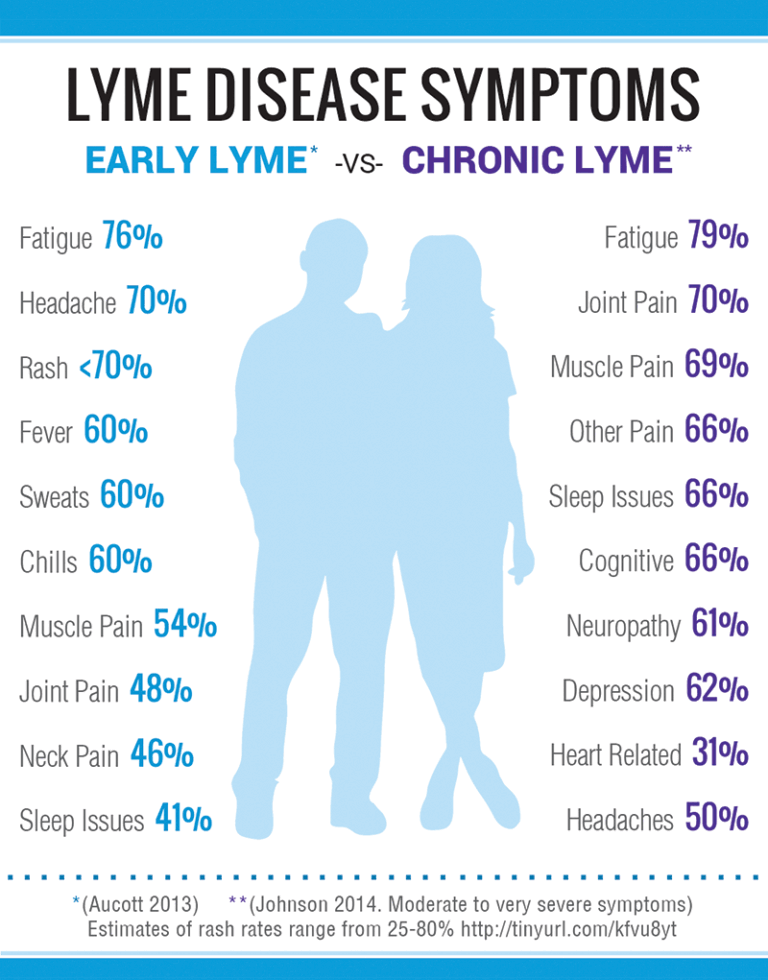
Early Symptoms of Lyme Disease
In the early stages, Lyme disease may present with symptoms that resemble a flu-like illness.
Common early symptoms may include:
-
Fatigue or low energy
-
Fever or chills
-
Headaches
-
Muscle aches
-
Joint discomfort
-
Swollen lymph nodes
Early symptoms can be mild or easily overlooked, especially if there is no known tick exposure.
Chronic Lyme Disease Symptoms
For some individuals, symptoms may persist or evolve over time. These are often referred to as chronic or late-stage symptoms.
Commonly reported symptoms include:
- Persistent fatigue
- Brain fog or difficulty concentrating
- Joint pain and stiffness
- Sleep disturbances
- Ongoing headaches
- Gastrointestinal Issues
- Increased sensitivity to stress
- Heart problems
- Nerve pain
These symptoms can fluctuate, sometimes improving and then returning without a clear pattern.
Neurological Symptoms Associated with Lyme Disease
Lyme disease may also affect the nervous system, leading to neurological or cognitive symptoms.
These may include:
- Memory challenges
- Difficulty focusing
- Mood changes, including anxiety or irritability
- Numbness, burning, or tingling sensations
- Sensitivity to light or sound
- Sezures or Tremors
Neurological symptoms can vary widely in severity and may be among the most disruptive aspects of the condition.
Symptoms in Children and Adults
Lyme disease can affect both children and adults, but symptoms may present differently depending on age and individual health factors.
Children may experience:
- Behavioral changes
- Fatigue or low energy
- Difficulty focusing in school
- Mood swings
Adults may experience:
- Chronic pain or inflammation
- Cognitive challenges
- Sleep disruptions
- Ongoing fatigue
- Heart problems
Because symptoms can overlap with other conditions, recognizing patterns over time can be helpful.
When to Seek Further Evaluation
If you are experiencing a combination of symptoms that are persistent, unexplained, or worsening over time, it may be worth exploring potential underlying causes.
This is especially important if symptoms:
- Do not respond to typical treatments
- Affect multiple systems of the body
- Interfere with daily life or energy levels
Seeking professional guidance can help determine the next steps and the appropriate course of action.
A Different Experience
For many individuals, understanding their symptoms is only the first step. Exploring different perspectives and approaches can help uncover new possibilities.
Understanding Your Options
There are a variety of approaches individuals explore when addressing Lyme-related symptoms. These may include conventional treatments, supportive therapies, and alternative approaches.
Each individual’s situation is unique, and the right path forward often depends on their specific symptoms, history, and response to previous treatments.
Exploring a Different Approach
For individuals who have not previously found the progress they were hoping for, many seek out alternative methods that support the body’s natural healing processes.
LymeStop is a proven approach designed to engage the immune system’s recognition and response in a completely natural, non-invasive way.
While every individual’s experience is different, understanding all available options can help you make a more informed decision about your health.
Lyme Disease Checklist
- Symptoms that are gradually getting worse
- The feeling of “prematurely aging” or “slowly dying”
- Persistent swollen glands
- Sore throat
- Fevers
- Sore soles of feet, especially in the morning
- Pain in the fingers, toes, ankles, wrists, knees, elbows or shoulders
- Swelling of the fingers, toes, ankles, wrist, knees, elbows, hips or shoulders
- Unexplained back pain
- Stiffness of the joints or back
- Muscle aches or cramps
- Obvious muscle weakness
- Twitching of the face or other muscles
- Confusion, difficulty thinking
- Difficulty with concentration or reading.
- Problems absorbing new information
- Word search, “name block”
- Forgetfulness, poor short term memory, poor attention
- Disorientation – getting lost, going to the wrong places
- Speech errors – using the wrong word or misspeaking
- Mood swings, irritability, depression
- Anxiety, panic attacks
- Psychosis (hallucinations, delusions, paranoia, bipolar)
- Tremors
- Seizures
- Headaches
- Abnormally sensitive to light
- Abnormally sensitive to sound
- Double vision, blurry vision, “floaters”
- Ear pain
- Buzzing or ringing in ears, decreased hearing
- Increased motion sickness, vertigo, spinning sensation
- Off balance “tippy” feeling
- Lightheadedness, wooziness, unavoidable need to sit or lie down
- Tingling, numbness, burning or stabbing sensations, shooting pains, skin hypersensitivity
- Facial paralysis – Bell’s Palsy
- Unexplained tooth or gum pain
- Neck creaking or cracking, neck stiffness, neck pain
- Fatigue, tired, poor stamina
- Insomnia, interrupted sleep, early awakening
- Excessive night time sleep
- Napping during the day
- Unexplained weight gain or weight loss
- Unexplained hair loss
- Pain in genital area
- Unexplained menstrual irregularity
- Unexplained milk production or breast pain
- Irritable bladder or bladder dysfunction
- Erectile dysfunction
- Loss of libido
- Queasy stomach or nausea
- Heartburn, stomach pain
- Constipation
- Diarrhea
- Lower abdominal pain or cramps
- Heart murmur or valve prolapse
- Heart palpitations or skips
- “Heart block” on EKG testing
- Chest wall pain or sore ribs
- Sinus congestion
- Breathlessness, “air hunger”,
- unexplained chronic cough
- Profuse sweating at night
- “Brain fog”
Learn More About LymeStop
If you are interested in learning more about how LymeStop works and whether it may be a fit for your situation: